
Noushin
Sep, 05.2022
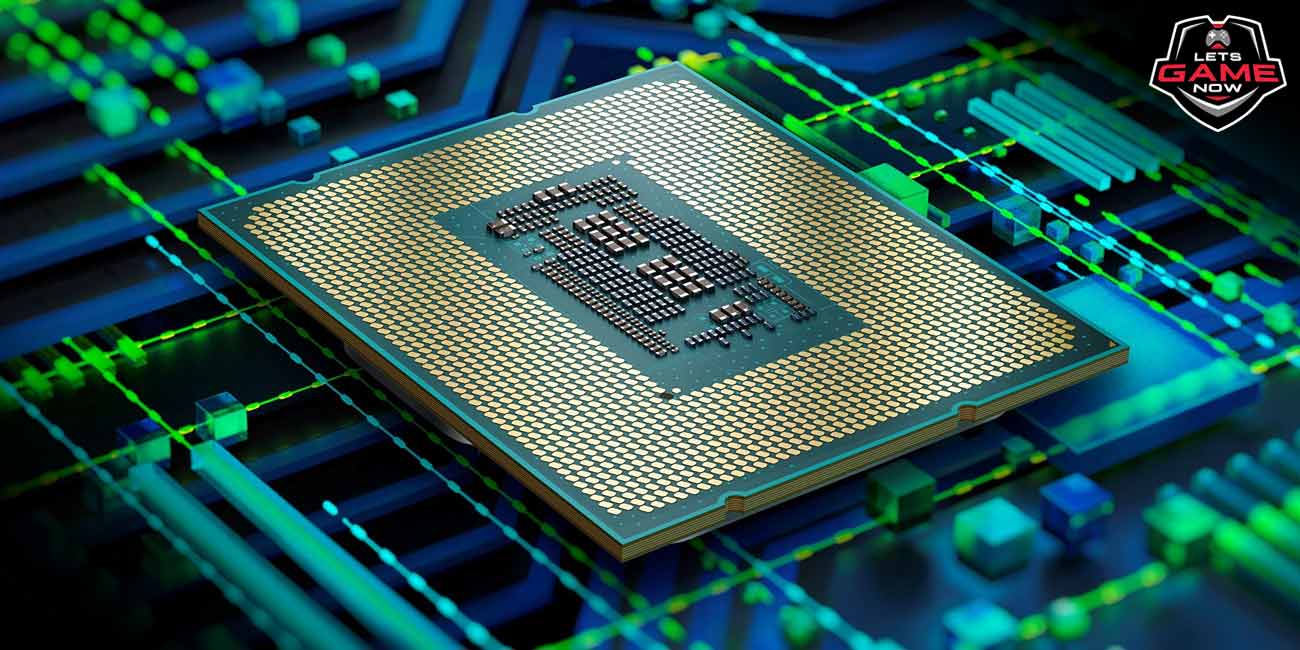
The complete 13th-generation Raptor Lake lineup was recently made public online. Raptor Lake processors will also hit the market this year, according to Intel. The series will include up to DDR5-5600 memory support and processors with up to 24 cores. The TDP of this lineup spans from 125W for the K-series to 65W for the non-K series, with clock configurations ranging from 24 cores to 10 cores. Core i5 13400 has 6 P-cores and 4 E-cores while the top-of-the-line Core i9 13900K has 8 P-cores and 16 E-cores. In this lineup, 5 of the 6 CPUs support DDR4 memory up to 3200 MHz and DDR5 memory up to 5600 MHz.
Raptor Lake will have a dual-channel memory interface. Additionally, Intel will continue to support ECC memory on its W-series consumer motherboards. As the Intel vs. AMD rivalry enters a new phase, these chips will be available this year to compete with AMD's Zen 4 Ryzen 7000 processors. This will lead to intense competition for the title of best CPU for gaming.
DDR 4 and DDR 5 memory will be supported on all Intel 13th generation Raptor Lake processors. The price of a competent DDR 5 memory kit is almost two times that of the most expensive DDR 4 memory modules. Despite AMD's assertion that DDR 5 memory would become more affordable throughout 2023, gamers will have to wait another three quarters to a year before they can buy DDR 5 memory for the same price as DDR 4 memory today.
Raptor Lake CPUs appear to outperform Ryzen 7000 series processors in every benchmark and workload, at least on paper. The new Core series has also achieved 40,000+ points in the Cinebench R23 multi-core performance benchmark once all power restrictions were lifted. Even with AIO water cooling and XOC tests, the Ryzen 9 7950X is still a good 2,000 points behind.